A prominent asset management firm based in Los Angeles with over $3 trillion in assets under management embarked on a strategic initiative to leverage...

When a leading insurance firm in the US found itself struggling with the modernization and cloud migration of its applications due to a lack of the right...

Client: A large automobile company with operations in 25+ countries Challenges: Clients were trying to move their workloads using inhouse resources to...

Tech startup migrated their application to Kubernetes on the cloud in order to launch adaptive learning and career development application services. Client: A...

One of our clients, a major regional HMO health care provider, looked to improve the capabilities of their transactional Member Portal website on behalf of...

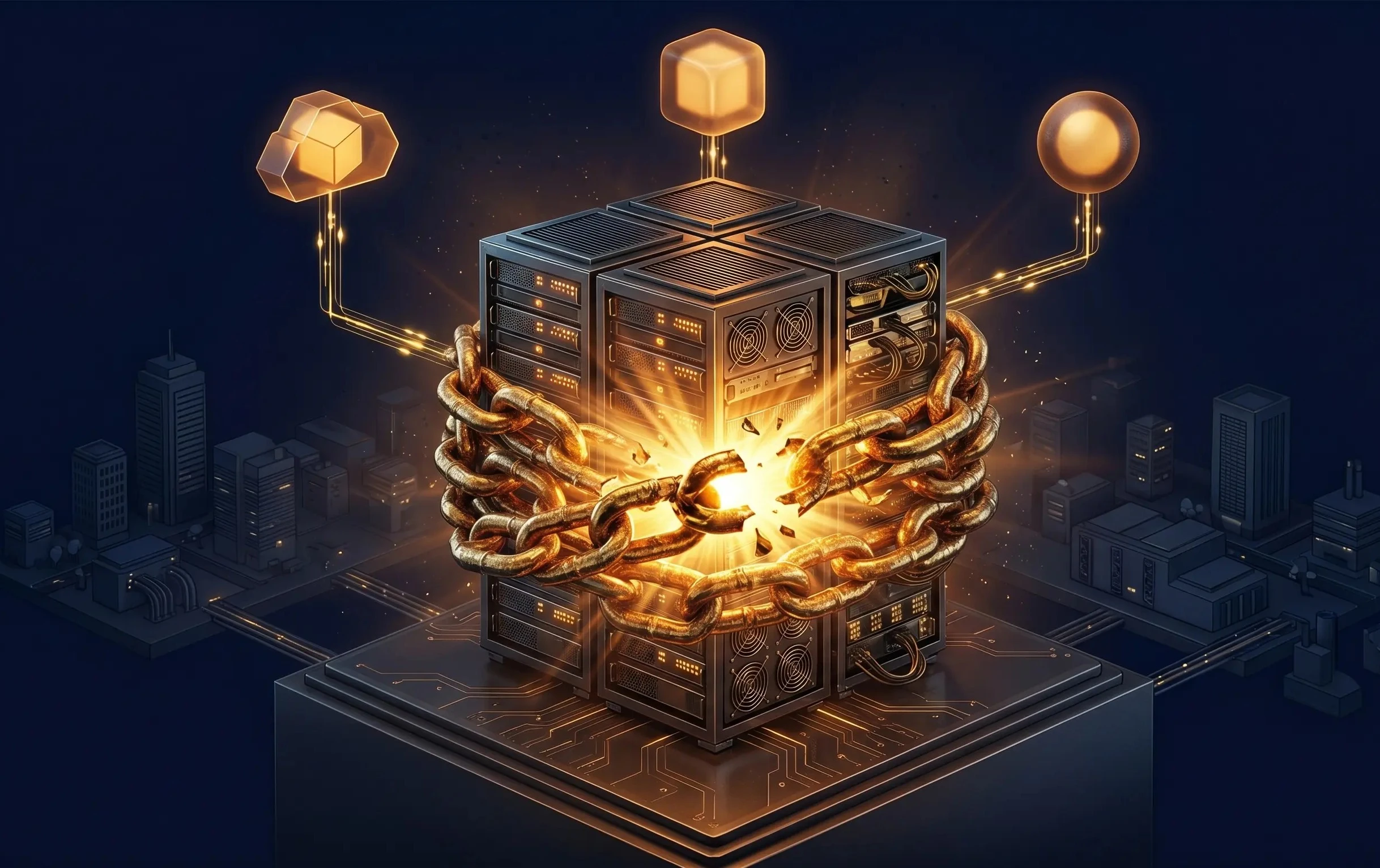
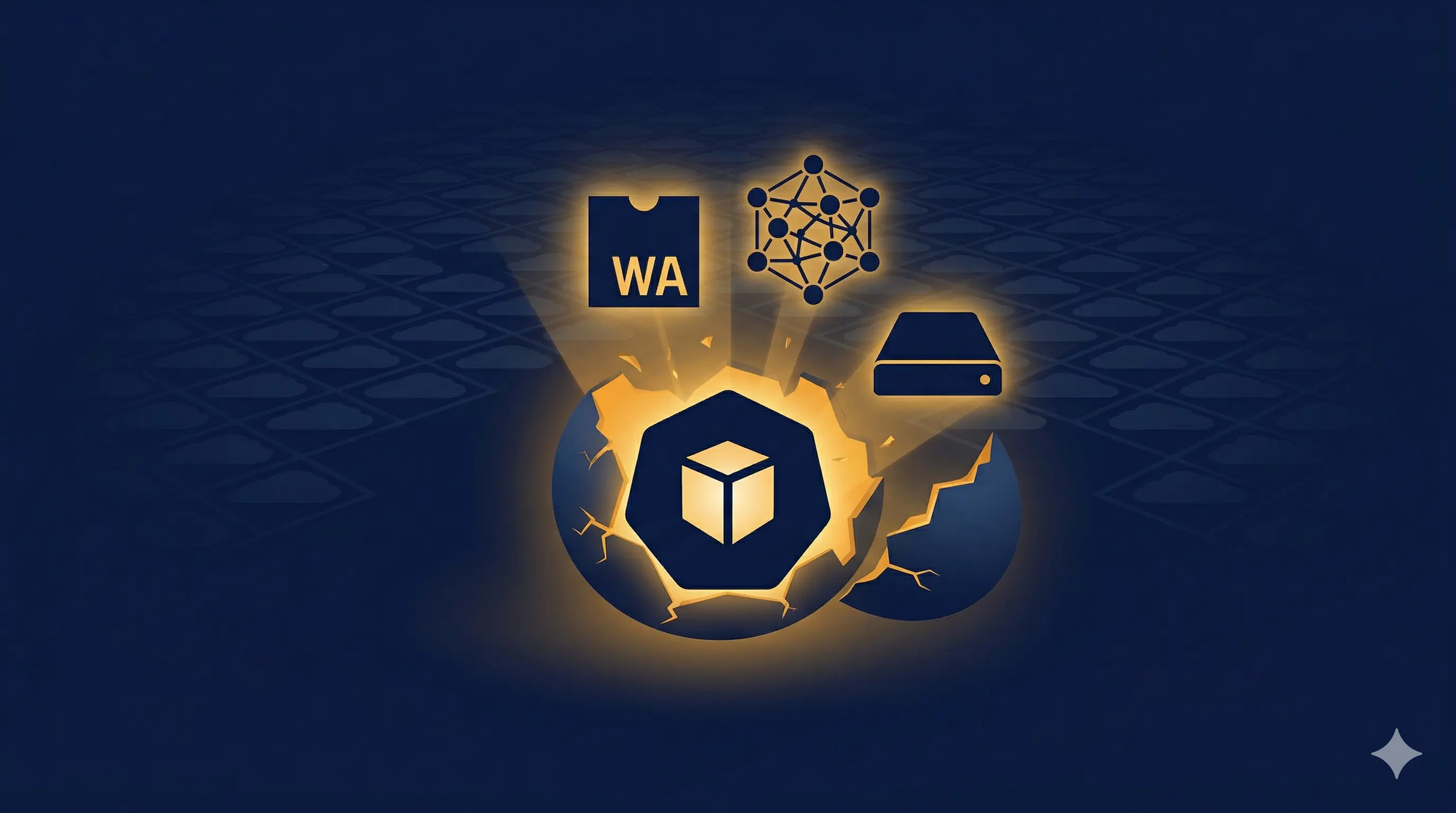
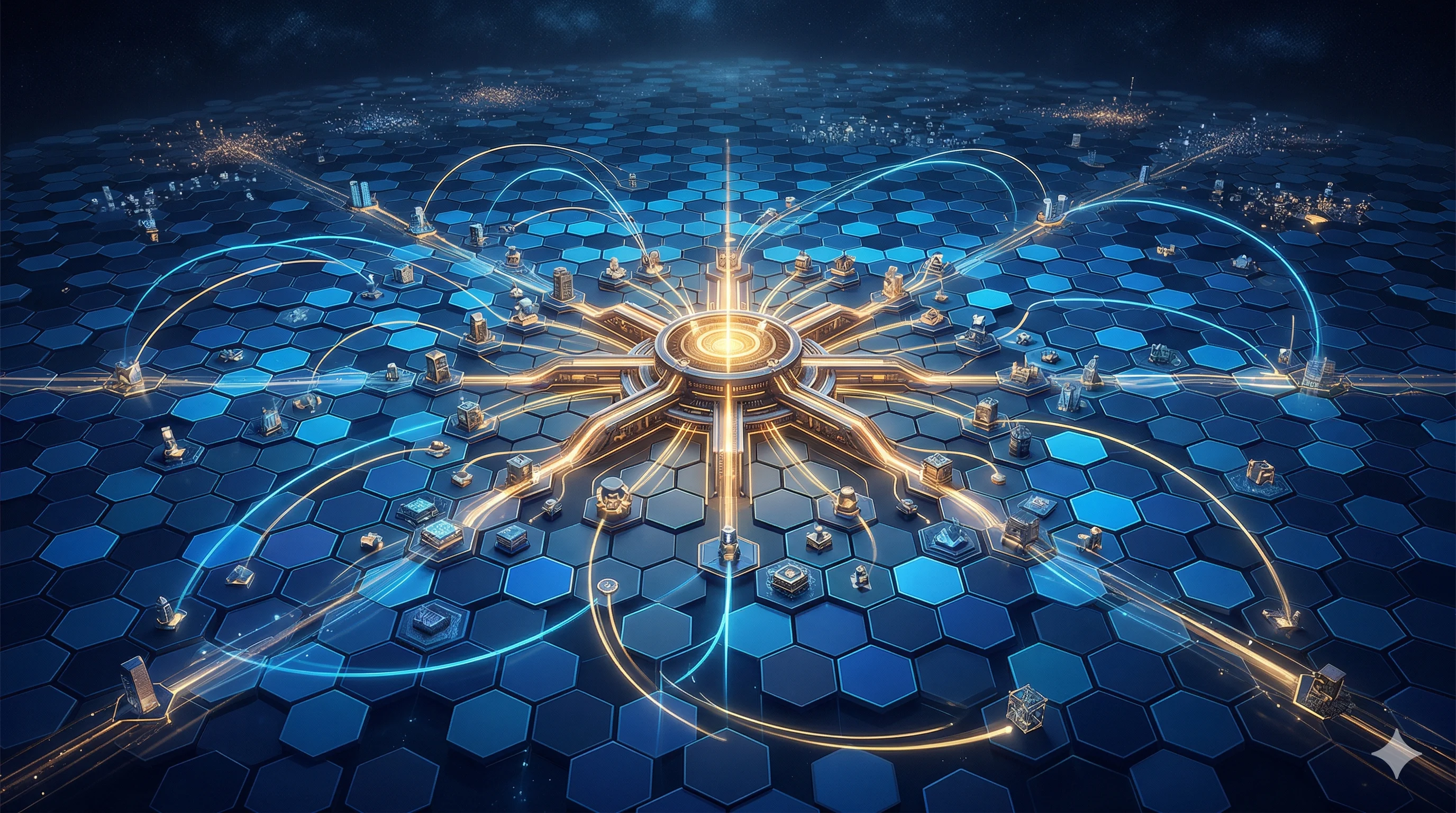
The container model was designed for a world that has moved on. Four places where Kubernetes breaks down — and the intent-driven primitives replacing it at the edge, in serverless, on accelerated hardware, and beyond.

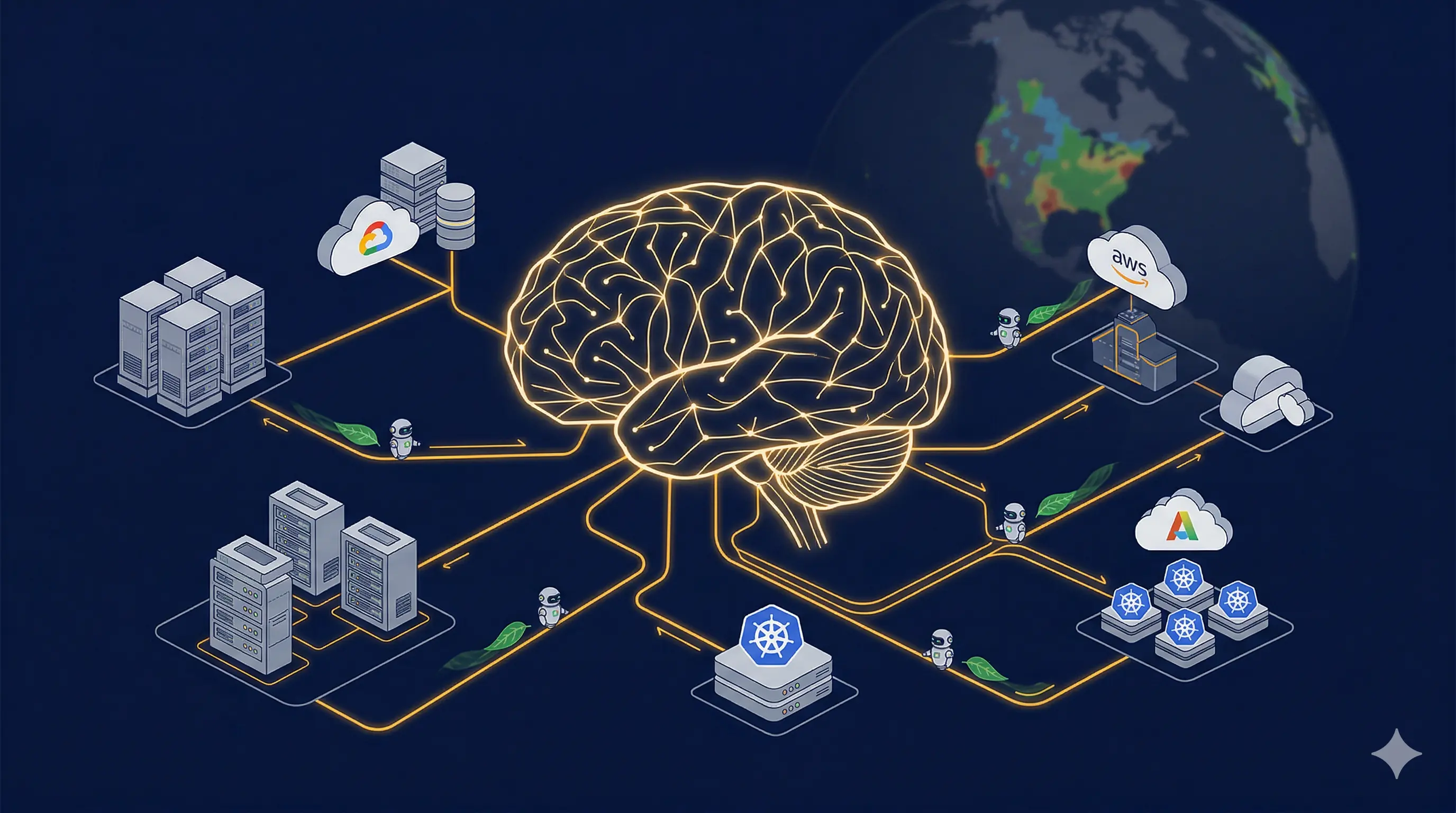
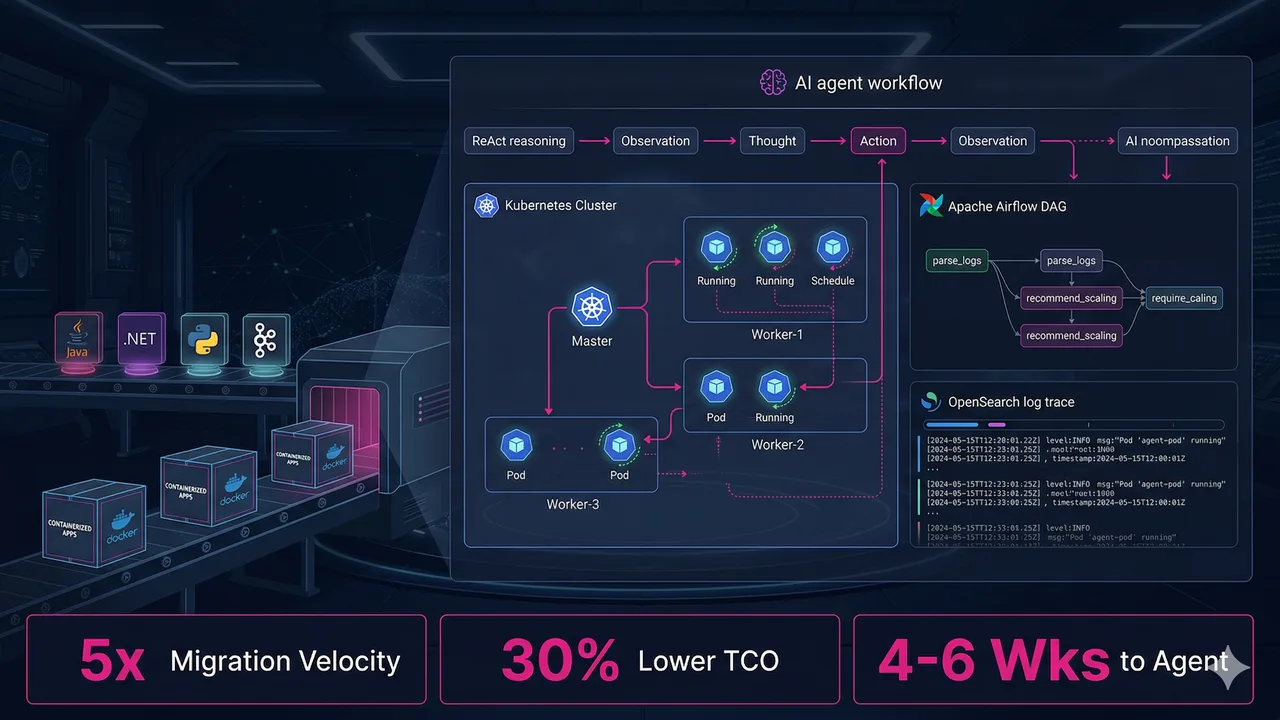
When AI agents become the ops team: what autonomous provisioning, carbon-aware scheduling, and composable hardware do to your cost model, your carbon budget, and your competitive position in the post-Kubernetes era.

Pod-level metrics are the rearview mirror of a system already in distress. Three paradigm shifts — from metrics to signals, chaos at the business logic layer, and AI-native self-healing — that separate resilient systems from ones waiting to fail silently.

Composability, emergent behaviour, and why the monolith mindset no longer serves the systems you are actually running.

When your application becomes an ecosystem, your role transforms from builder to steward. That shift is not a title change — it is a complete reimagining of how value is created, captured, and distributed.

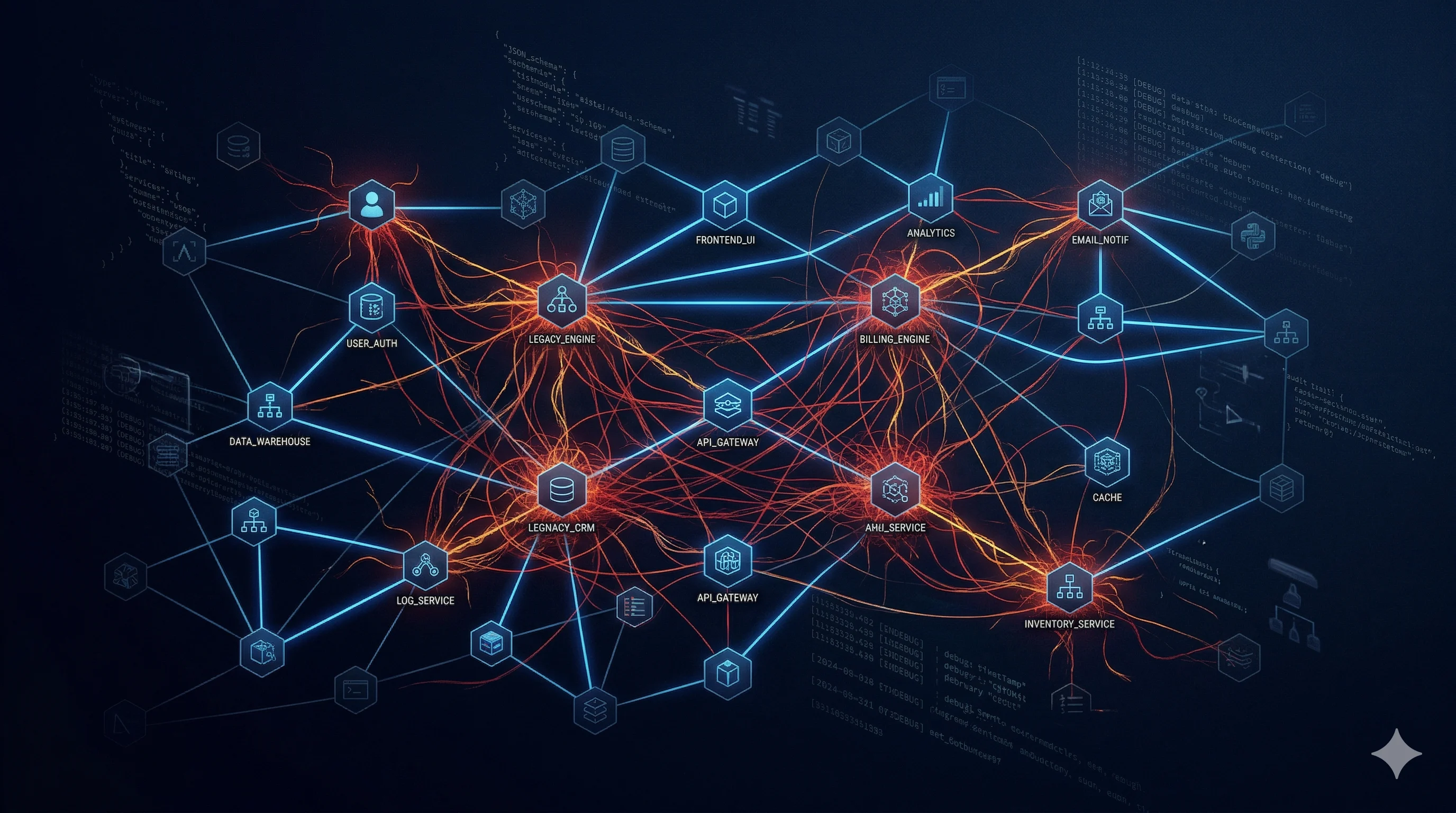
Every undocumented integration, every unversioned event schema, every undiscoverable API is a governance debt entry. Collectively, they are not a technical problem — they are a strategic liability that compounds interest through production incidents, failed partnerships, and blocked innovation.

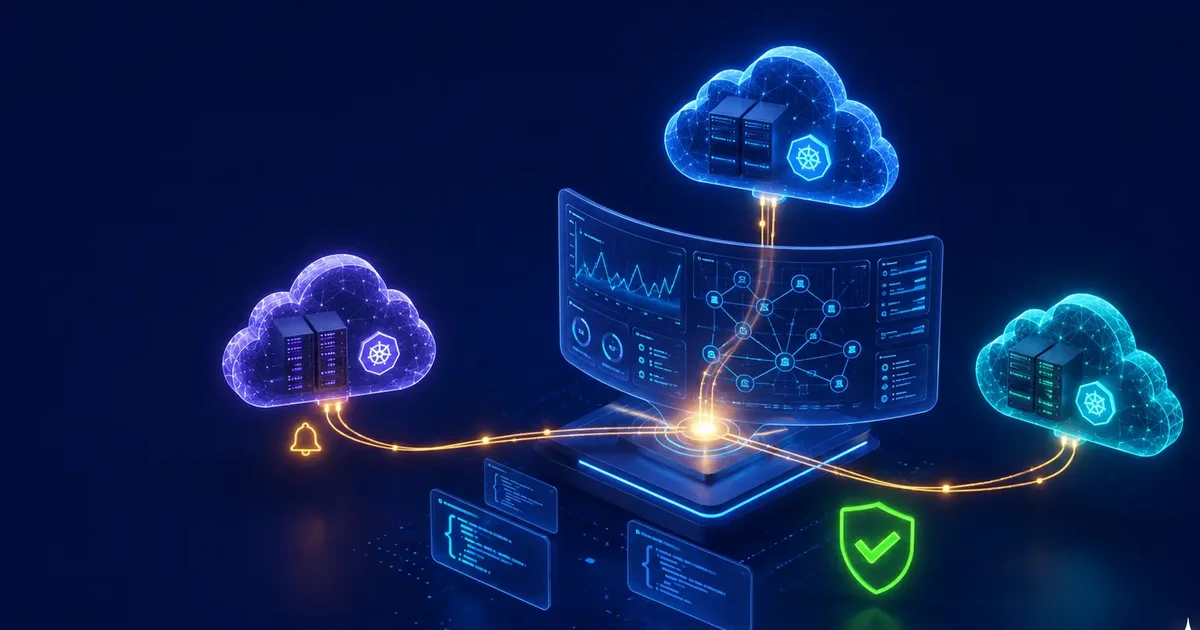
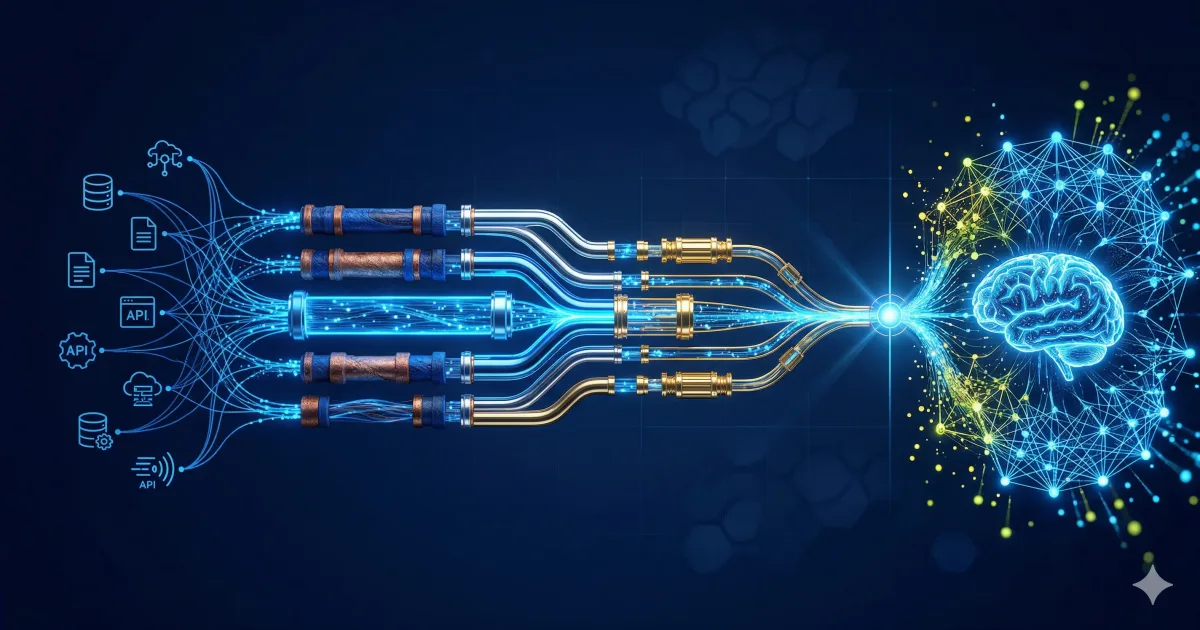
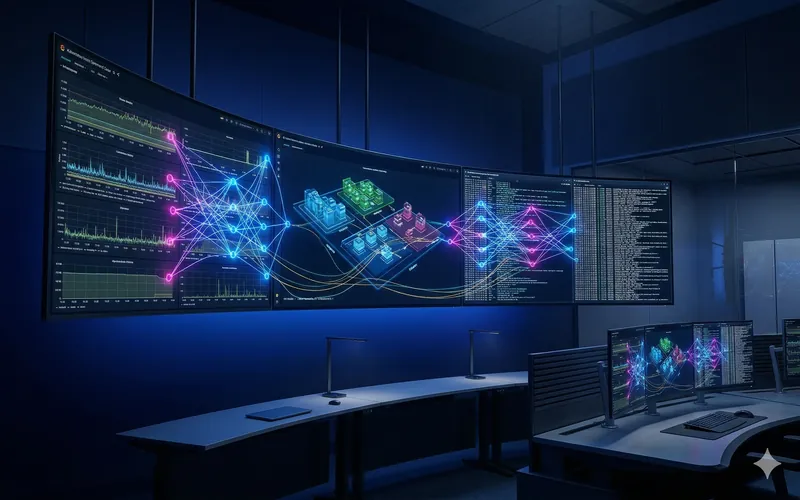
Alert fatigue, fragmented telemetry, and reactive incident management are costing enterprises more than just downtime. Here is how AI-driven observability, governed under ISO 42001, is changing what modern SRE actually looks like in production.

CloudControl's Enterprise Log Management System (ELMS) delivers production-grade, compliance-ready centralized log management — combining Graylog, OpenSearch, and MinIO with lowtouch.ai's Agentic AI for autonomous incident detection and response at enterprise scale.

Project 15.1: A New Era of Enterprise Project ManagementIn today’s fastpaced business environment, effective project management hinges on the ability to adapt,...

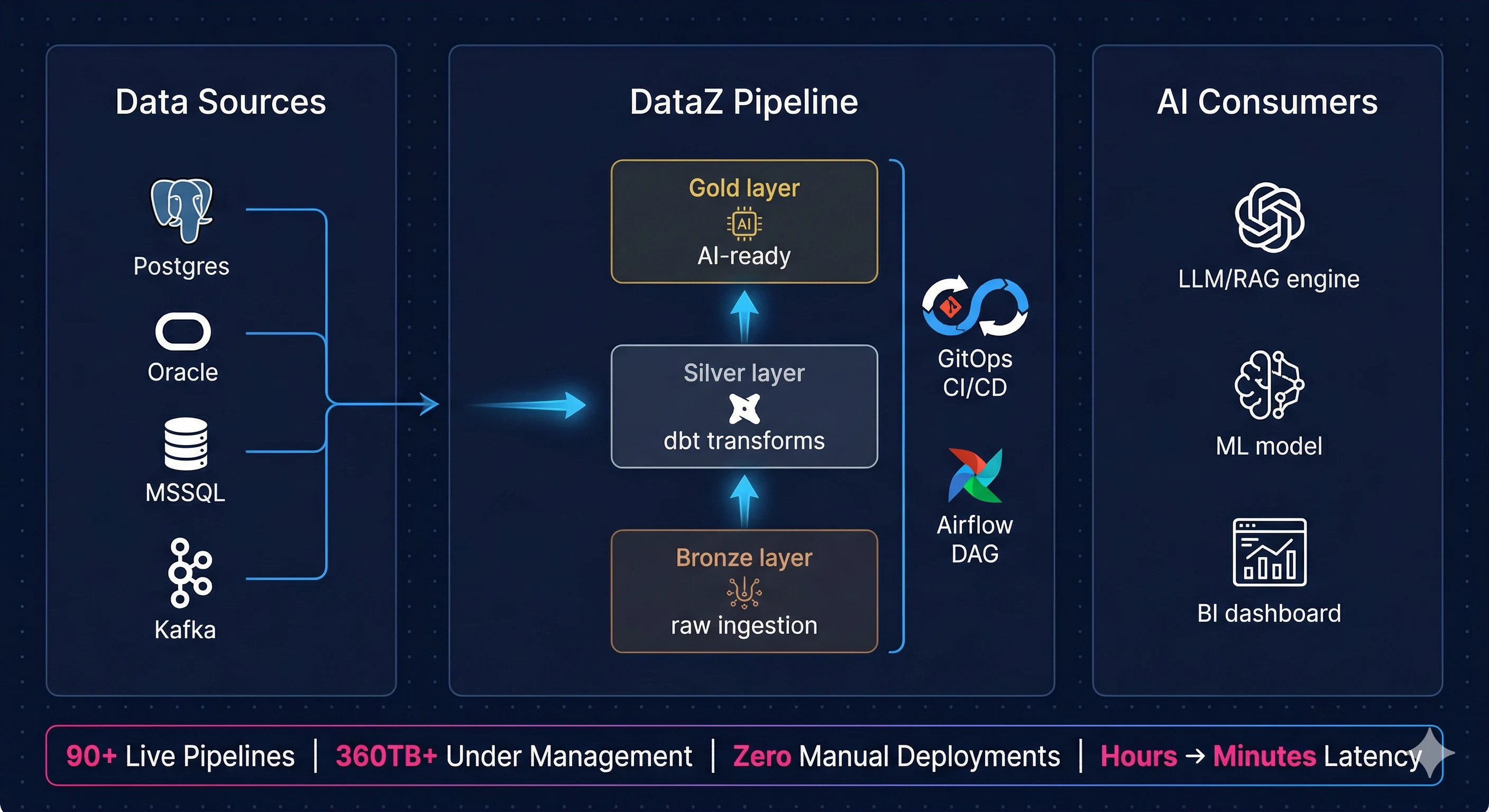
As a data architect working with some of the world’s largest enterprises, I’ve seen firsthand how legacy data platforms can hamper growth, stifle innovation,...

By integrating automation, observability, and proactive incident management, SRE practices empower organizations to minimize downtime, improve resilience, and...

As part of our AppZ ecosystem, AppZ Tracker is a powerful, lightweight ticketing system designed to streamline issue tracking and collaboration. Built on the...